

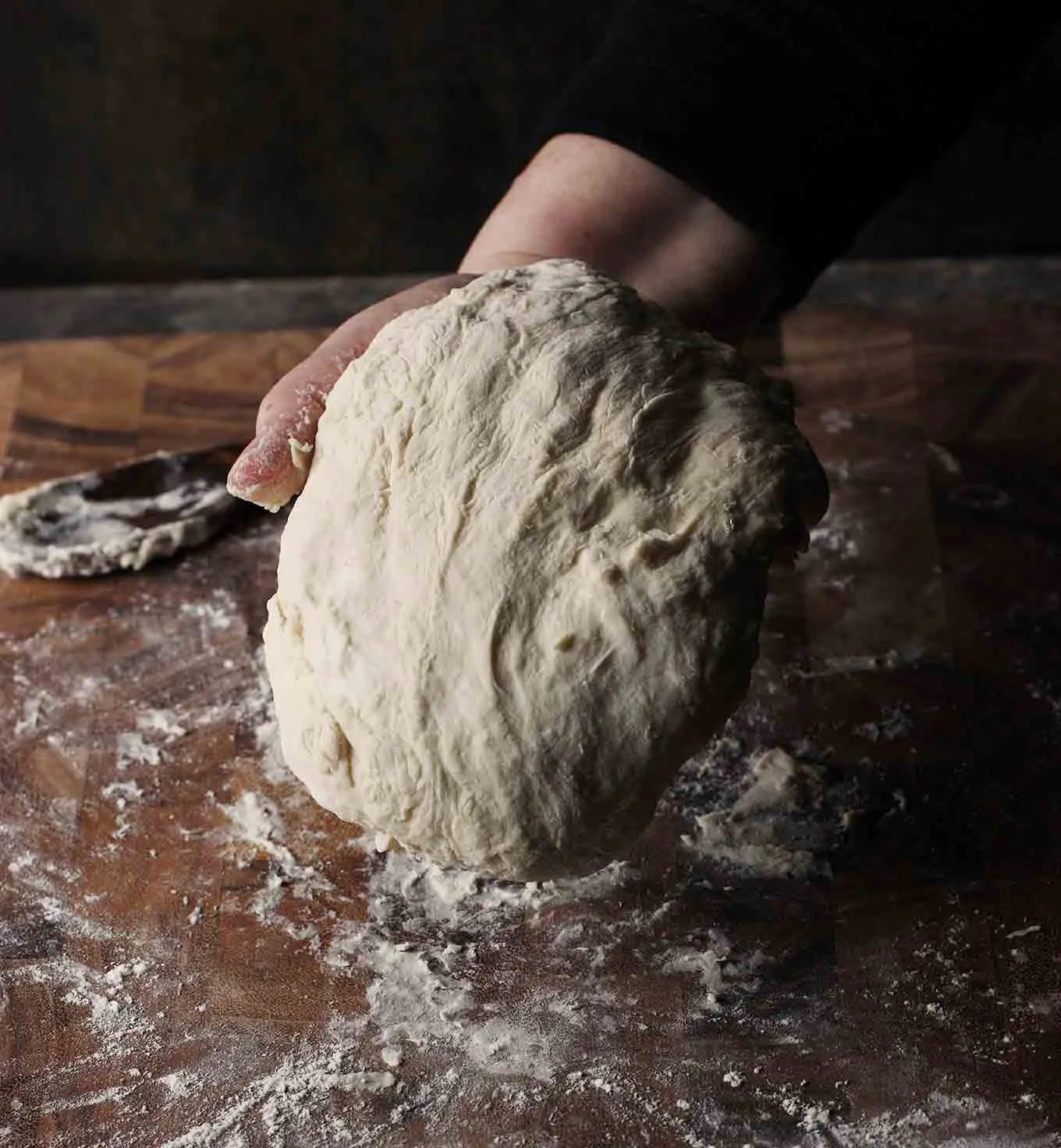
Are you ready to transform simple flour and water into a living, breathing culinary marvel? Creating your own wild yeast sourdough starter isn't just a recipe—it's a delicious science experiment that will revolutionize your baking! Imagine crafting bread with a depth of flavor that commercial yeast could never achieve, using nothing more than two humble ingredients and a little patience. This ancient technique connects you to generations of bakers who have turned basic pantry staples into extraordinary, tangy, crusty masterpieces.
Prep Time: 10 mins
Cook Time: -
Total Time:
Cuisine: Baking
Serves: 1 starter
Ingredients
- 1 cup all-purpose flour
- 1 cup water (filtered or bottled)
Instructions
- Begin by gathering your ingredients: 1 cup of all-purpose flour and 1 cup of filtered or bottled water. Make sure all your utensils and containers are clean to avoid any unwanted bacteria.
- In a clean glass jar or container, combine the 1 cup of all-purpose flour and 1 cup of water. Use a wooden spoon or a spatula to mix the ingredients together until there are no dry flour spots left. The mixture should have a thick, paste-like consistency.
- Once mixed, cover the jar loosely with a lid or a clean cloth. This allows air to circulate while keeping dust and insects out. Avoid sealing the jar tightly, as the fermentation process will create gases that need to escape.
- Place the jar in a warm, draft-free area of your kitchen, ideally at a temperature between 70°F to 75°F (21°C to 24°C). A countertop away from direct sunlight is usually a good spot.
- After 24 hours, check your starter. You may see some bubbles forming on the surface or around the edges, indicating that fermentation has begun. If you see no activity, don't worry; it can take a bit longer in cooler environments.
- On the second day, discard half of the starter (about 1/2 cup) to make room for new flour and water. Add another 1 cup of all-purpose flour and 1 cup of water to the remaining starter. Mix well and cover loosely again.
- Repeat the feeding process every 24 hours for the next 5 days. Each day, you will discard half of the starter and add 1 cup of flour and 1 cup of water. As the days progress, you should notice more bubbles and a tangy aroma developing.
- By the end of the week, your sourdough starter should have doubled in size within a few hours of feeding, have a pleasant sour smell, and be full of bubbles. This indicates that it is active and ready to use for baking.
- If you are not planning to use your starter immediately, you can store it in the refrigerator. Feed it once a week by discarding half and adding fresh flour and water. When ready to bake, take it out, feed it, and let it sit at room temperature for a few hours before using.
Tips
- Temperature is Key: Maintain a consistent warm environment (70-75°F) for optimal fermentation.
- Use Filtered Water: Chlorine in tap water can inhibit wild yeast growth.
- Be Consistent: Daily feeding is crucial for developing a strong, active starter.
- Watch for Signs of Life: Bubbles, a slightly sour smell, and volume increase indicate a healthy starter.
- Don't Panic About Hooch: A liquid layer on top is normal—simply stir it back in or pour it off.
- Use Clean Tools: Always use clean utensils to prevent unwanted bacteria.
- Patience is Your Friend: A robust starter takes about 7 days to develop fully.
- Store Wisely: Once established, refrigerate and feed weekly if not baking regularly.
Nutrition Facts
Calories: 440kcal
Carbohydrates: 92g
Protein: 12g
Fat: 1g
Saturated Fat: g
Cholesterol: 0mg
