

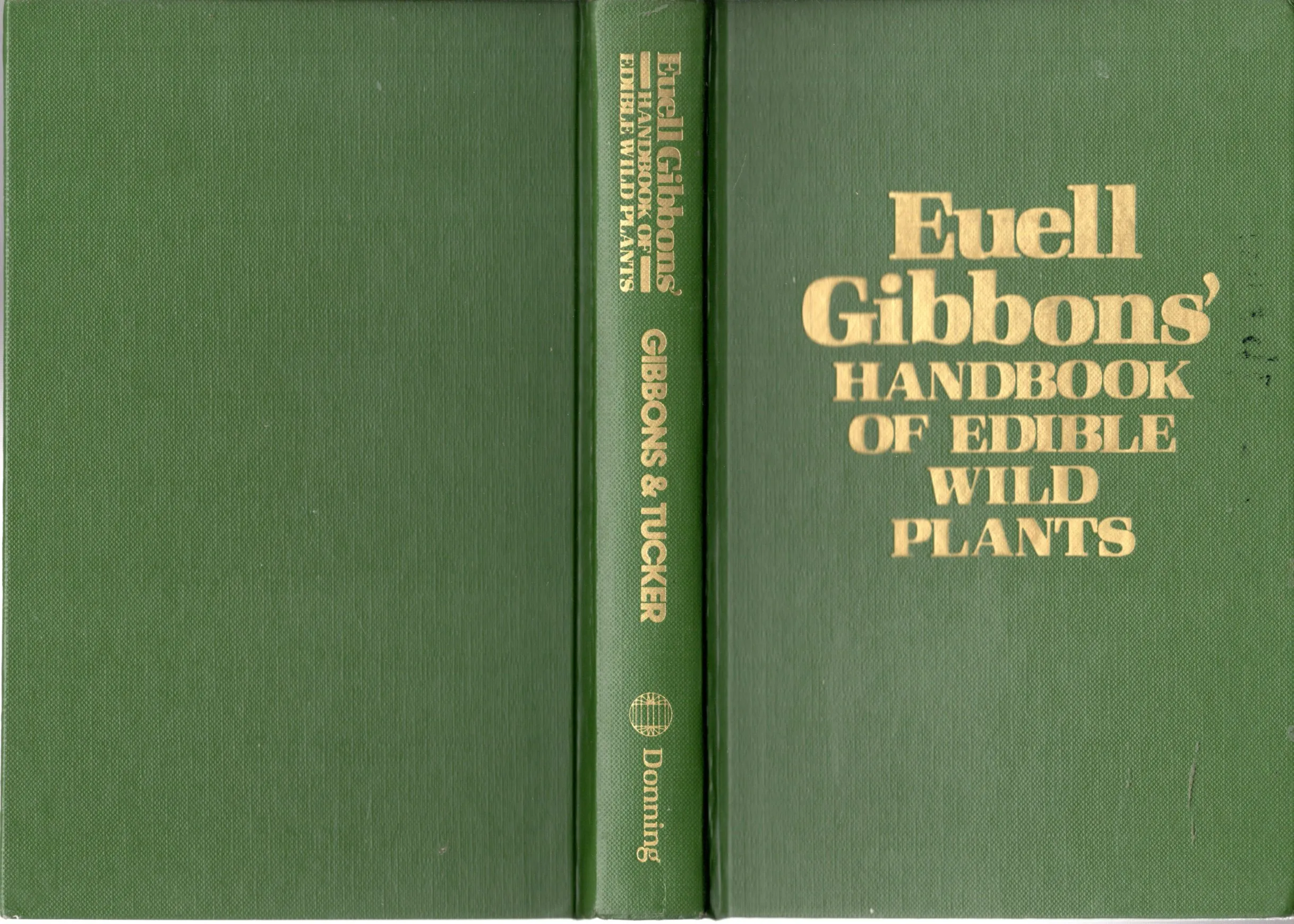
Are you ready to embark on a delightful journey into the world of homemade beverages? Discover the ancient art of mead-making with Euell Gibbons' classic recipe that transforms simple ingredients into a sweet elixir of joy! Whether you’re a seasoned brewer or a curious beginner, this easy-to-follow guide will have you sipping your own delicious mead in no time. Imagine impressing your friends with a drink that has a rich history and an even richer flavor. Dive in and learn how to create a gallon of this captivating concoction that’s perfect for any occasion!
Prep Time: 15 mins
Cook Time: 30 mins
Total Time: 45 mins
Cuisine: American
Serves: 1 gallon
Ingredients
- 1 gallon water
- 3 pounds honey
- 1 packet wine yeast
- 1 teaspoon acid blend
- 1 teaspoon yeast nutrient
- Optional: spices or herbs for flavoring
Instructions
- Begin by gathering all your ingredients and equipment. You will need a large pot, a stirring spoon, a fermentation vessel (such as a glass carboy), an airlock, and sanitizing solution to ensure cleanliness throughout the process.
- In your large pot, bring 1 gallon of water to a gentle boil. This will help to dissolve the honey more easily and ensure that any impurities are removed.
- Once the water is boiling, remove it from the heat and gradually stir in the 3 pounds of honey. Stir continuously until the honey is completely dissolved in the water, creating a sweet mixture known as "must."
- Allow the honey-water mixture to cool down to room temperature. This is important because adding yeast to a hot mixture can kill the yeast and prevent fermentation.
- After the mixture has cooled, transfer it to your sanitized fermentation vessel. Make sure to leave some space at the top to allow for fermentation activity.
- Add 1 teaspoon of acid blend and 1 teaspoon of yeast nutrient to the must. These ingredients will help to balance the acidity and provide the yeast with the nutrients it needs for a healthy fermentation.
- If you wish to add any spices or herbs for flavoring, now is the time to do so. Popular options include cinnamon, cloves, or even fresh herbs like mint or lemon balm. Use them sparingly to avoid overpowering the mead's natural sweetness.
- Once all ingredients are added, gently stir the mixture to combine everything thoroughly.
- Now it’s time to add the wine yeast. Sprinkle the packet of yeast over the surface of the must. Do not stir it in; instead, allow it to sit on top for about 10-15 minutes to hydrate before gently stirring it in.
- Seal the fermentation vessel with an airlock to allow gases to escape while preventing outside air from entering. This will create an anaerobic environment necessary for fermentation.
- Place the fermentation vessel in a dark, cool area with a stable temperature, ideally between 60°F to 75°F (15°C to 24°C). Allow the mead to ferment for about 2 to 4 weeks. You may notice bubbling in the airlock, which indicates that fermentation is taking place.
- After the primary fermentation is complete, you can siphon the mead into another sanitized vessel, leaving behind any sediment that has settled at the bottom. This process is called racking.
- At this point, you can choose to bottle the mead or allow it to age further in the fermentation vessel. If bottling, ensure that the bottles are sanitized and use corks or caps to seal them.
- Let the mead age for at least a few months, or longer if desired, to develop its flavors. Taste periodically to determine when it reaches your preferred flavor profile.
- Once aged to your liking, chill the mead and enjoy it on its own or as part of your favorite cocktails. Remember to drink responsibly and savor the fruits of your labor!
Tips
- Sanitize Everything: Cleanliness is crucial in brewing. Make sure all your equipment, including the fermentation vessel and stirring spoon, is thoroughly sanitized to prevent unwanted bacteria from ruining your mead.
- Temperature Matters: When cooling your honey-water mixture, ensure it reaches room temperature before adding the yeast. This is vital to keep the yeast alive and active for fermentation.
- Experiment with Flavors: Don’t hesitate to get creative! Adding spices or herbs can personalize your mead. Start with small amounts and taste as you go to find the perfect balance.
- Patience is Key: Mead improves with age. While it may be tempting to drink it right away, allowing it to age for a few months will significantly enhance its flavors.
- Monitor Fermentation: Keep an eye on your fermentation vessel. Bubbling in the airlock means fermentation is actively happening, but if it stops, check the temperature and yeast health.
- Taste Test: As your mead ages, periodically taste it to see how the flavors develop. This will help you decide when it’s at its peak for bottling.
- Enjoy Responsibly: Mead can be deceptively smooth, so remember to enjoy it in moderation and savor the fruits of your hard work!
Nutrition Facts
Calories: 307kcal
Carbohydrates: 78g
Protein: 0g
Fat: 0g
Saturated Fat: 0g
Cholesterol: 0mg
